
To tap the planet’s heat for clean energy, this Texas company leaned on oil industry knowledge
In the heart of a forest near the Newberry Volcano in central Oregon, a Texas company has struck a different kind of liquid gold than the other wildcatters searching for oil and gas.
Mazama Energy has already drilled past 10,000 feet and is pushing toward a goal of over 15,000 to tap into the vast reserves of underground heat. The operation is part of a pilot program by the geothermal energy startup to prove it can dig deeper and create clean energy more cheaply than its competitors.
Company CEO and president Sriram Vasantharajan calls the Oregon project a “proving ground,” a chance for the Frisco, Texas-based company to show that its approach can work even in states without a history of drilling. Mazama plans to plug into the grid to deliver power by 2029.
“When you create that blueprint or template, you can then rinse and repeat,” Vasantharajan said. “That, to me, is when superhot rock has gone from just viable to creating a repeatable and bankable path to unleashing this incredible potential at scale.”
Like many startups in Texas’s burgeoning geothermal sector, Mazama has deep roots in the oil and gas industry. (Shell and ConocoPhillips supported its last funding round, helping bring the company’s total funding to $171 million since its founding in 2023.) Vasantharajan worked in engineering and executive roles for both Mobil Oil and Blade Energy Partners—a fitting background, as much of the experience and technology needed to drill deep underground comes from long-term investments made by companies seeking to extract fossil fuels.
But not every innovation in the space can come from the fossil fuel industry. While the petroleum world has extensive experience drilling deep into the ground, what it doesn’t do as well is deal with heat. Mazama wanted to find out what it would take to apply this drilling knowledge to harvesting energy from superhot rock—an approach that requires 80% fewer wells and 75% less water to generate a similar amount of energy as traditional, shallower geothermal systems.
What Vasantharajan and the Mazama team of roughly three dozen employees determined was that by drilling deeper—accessing extreme temperatures more than 12,000 feet underground—they could produce significantly more power per well, slashing the capital costs required to launch a geothermal project.
This revelation—that deeper wells can change the economics of geothermal—has set off a race to speed up and scale extreme-heat drilling, a rare renewable pursuit included in President Donald Trump’s second-term energy dominance agenda. Other firms tackling these engineering challenges include Fervo Energy, which had a massive IPO on the back of plans to power a Google data center, and Quaise Energy, which recently secured its own Google deal and plans to use millimeter-wave technology to reach superhot rock in Oregon.
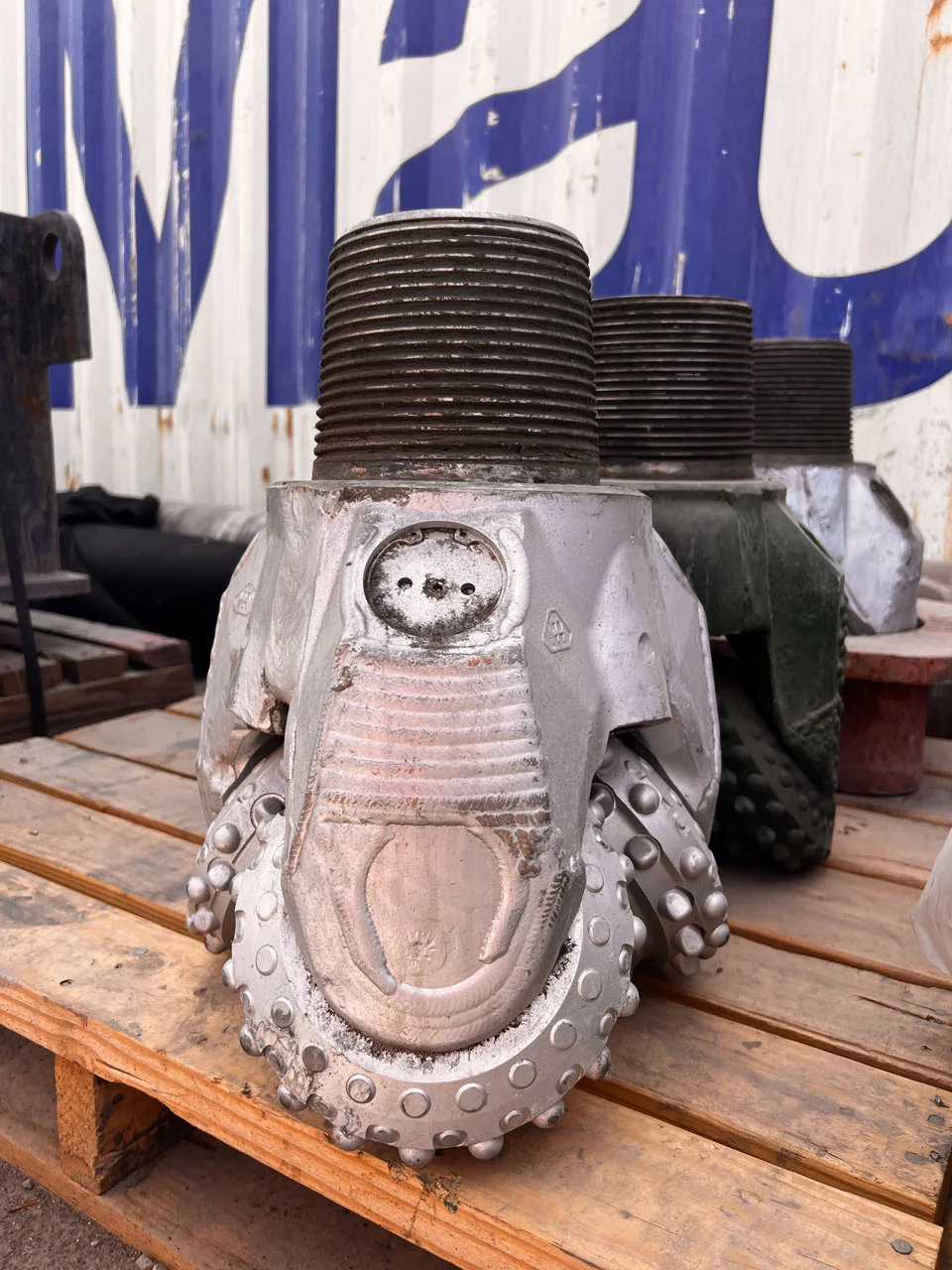
A key difference among them is their drilling tech: While Quaise focuses on a new way to vaporize rock and Fervo utilizes horizontal drilling to capture more heat, Mazama is betting that a new method of cooling existing drill bits can unlock this energy.
Rock at these depths can hit roughly 750 degrees Fahrenheit, far hotter than the 390 degrees typical of traditional geothermal wells. That extreme heat threatens both the polycrystalline diamond compact (PDC) drill bits and the delicate electronics needed to steer them. To solve the problem, Mazama developed a cooling system that pumps liquid carbon dioxide around the subterranean equipment to keep it from failing, turning the CO2 into a continuously circulating drilling fluid. The breakthrough helped the company set a record for the hottest engineered thermal system, at 629 degrees.
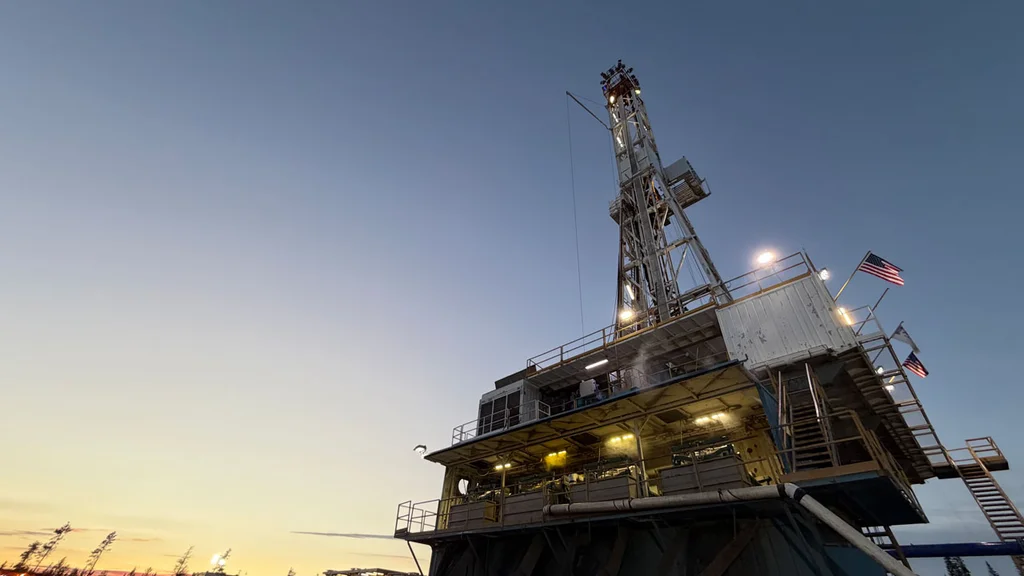
Oil and gas knowledge also proved useful when it came to cooling. Experiments in sequestering carbon dioxide helped provide insight into how the gas operates under pressure underground. “Imagine you’re drilling rock that’s heated to 650 degrees Fahrenheit,” Vasantharajan said. “Our drill bit comes out, and it’s got ice on it.”
Mazama’s latest well in Oregon was drilled 80% faster than its previous attempts—part of an ongoing push to accelerate drilling, develop equipment that can withstand extreme temperatures, and drive down the cost of underground heat-circulation infrastructure. If successful, tapping into the superhot rock at the Newberry Volcano site could unlock an estimated 10 gigawatts of recoverable power, surpassing the combined output of all the geothermal plants currently operating in the U.S.
Ultimately, Mazama and its competitors are racing to prove that extreme-heat geothermal wells can be drilled fast and cheaply enough to rival traditional fossil fuels. With a record-setting next-gen well already in the ground, Mazama has a head start on transforming that deep-earth heat into 24/7 clean power to meet the nation’s rapidly growing energy needs.
内容来自 Fast Company,版权归原作者所有。
阅读原文 ↗