
How did Nike lose the sneaker wars? Let us count the ways
Rewind to the summer of 2016, back when Nike seemed unbeatable.
That June, LeBron James—fresh off signing the first lifetime deal in Nike history—delivered Cleveland its first NBA championship in half a century. At the Rio Olympics, Nike’s Simone Biles won four golds; Eliud Kipchoge won the marathon in a Nike prototype and began working with the company on a high-profile attempt to break the two-hour marathon barrier. And when the 49ers quarterback Colin Kaepernick took a knee during the national anthem, Nike kept him under contract; two years later, it made him the face of “Just Do It.”
Few would have predicted that by 2026, the brand would have tumbled so far that some analysts would question whether it could ever return to its former glory. The company has cut 13% of its workforce over the past three years, to 73,000 employees. Kylian Mbappé, Roger Federer, and Biles, among other athletes, have left for other brands. This spring, two London marathoners finally ran the race in under two hours—wearing Adidas shoes. A few months later, Adidas owned the FIFA World Cup, held in Nike’s backyard.
Nike remains the biggest sneaker brand on the planet. It produces 800 million pairs annually and brought in $46.4 billion in revenue in fiscal 2026, $17 billion more than its biggest rival, Adidas. But since Elliott Hill took over as CEO in late 2024, Nike’s annual revenue has slipped from $51.4 billion to $46.4 billion, and its profits have nearly halved. Last quarter, sales fell 4%. At Nike’s investor day on November 17, the company’s new CFO, Dave Denton, said he expects a sales decline “in the high single-digit range” this year.
Some of this is by design as Nike reduces discounting and pulls back on overexposed sneakers like Dunks and Jordans. “These are deliberate choices and they’ll weigh on our near-term revenue,” Hill told investors. “But they’re necessary to creating the foundation for profitable and sustainable growth.”
Hill says it will take several years to get back to growth. Nike expects to turn the corner in fiscal 2029. Only after that, he says, will the company “hit our full stride.” But Wall Street appears to have run out of patience. Nike’s market value has shrunk from roughly $280 billion in 2021 to $55 billion today.
The problem is that after five years of missteps, competitors are picking off Nike’s customers one category at a time. Runners who once swore by the Nike Pegasus are now lacing up Hokas, Ons, and Brooks. In fashion, it’s a similar story. Nike hasn’t produced anything to rival New Balance’s wildly popular 550s, or Adidas’s Sambas or Gazelles.
And then there’s China. In June, the sportswear brand Li-Ning landed a 10-year deal with Steph Curry of the Golden State Warriors, a 12-time NBA all-star. It is arguably Li-Ning’s biggest endorsement contract since the brand signed Dwyane Wade in 2012, the year his Miami Heat won the NBA championship.
Nike is trying to claw its way back. This week, the company announced its new Tuned Air technology, a high-tech evolution of the original Nike Air that will first make its way into an everyday running shoe. Next year, it hopes to generate about 10% of its revenue from products built on this innovation.
But buzzy new shoe technologies will take Nike only so far in fixing its underlying problems. From the London marathon to the streets of Shanghai, Nike has lost both its innovation edge and its cool. The race is on to catch up on all fronts.
How Nike Ceded Ground to Rivals
Eight years ago, Nike opened a shrine to the swoosh on Manhattan’s Fifth Avenue. The House of Innovation rose six stories, wrapped in rippling glass. Inside sat the largest collection of Nike sneakers on earth. Staffers in white lab coats dip-dyed and embroidered shoes to order. Customers could reserve their shoes on the app, retrieve them from a basement locker, and pay on their phone.
The store was dazzling. But looking back, it marked the moment Nike began to unravel. In 2017, the company unveiled a plan to sell more of its products through its own stores, website, and app. After 50 years of carefully cultivating its relationship with retailers, Nike began cutting ties with many of the 30,000 stores that carried its products, including DSW, Dillard’s, Macy’s, and mom-and-pop shops that counted Nike as a major account. In 2020, Nike appointed a new CEO, John Donahoe, a former eBay chief with deep e-commerce experience, to accelerate this shift.
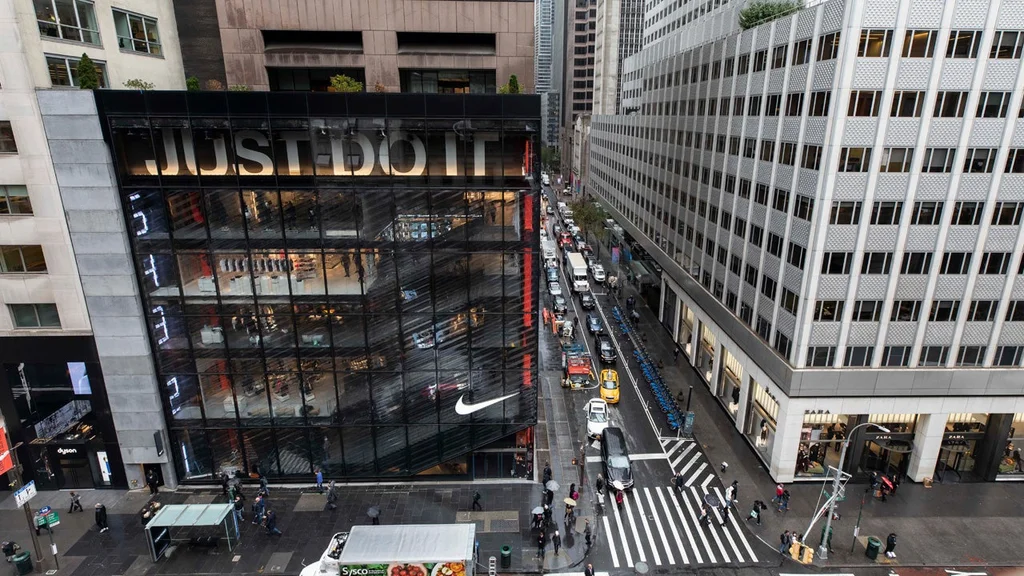
The problem with this strategy was twofold. First, it cut off an important channel of communication between Nike and the retailers that best understood its customers, especially in the running and performance sectors. And it gave other brands the retail sunlight they needed to grow.
Retailers suddenly had shelves to fill and lost revenue to make up. European upstarts like Hoka and On jumped at the chance to take Nike’s place. Adidas and New Balance expanded their real estate, helping turn vintage styles like the Samba and 550 into viral hits. “They all exploited this opportunity,” says Neil Saunders, retail analyst at GlobalData. “Smaller, more nimble players quickly found ways to steal market share.”
It took a while for Nike to realize how catastrophic the decision had been. During the pandemic, Nike’s customers had flocked to its website and app, helping it hit a record $50 billion in revenue in the fiscal 2023. But as soon as life returned to normal, shoppers in brick-and-mortar stores began discovering an exciting new selection of brands on shelves. By fiscal 2025, Nike’s sales had fallen to $46.3 billion.
Hill, who took over as CEO two years ago, has been tasked with reversing the damage and winning back retailers. The brand is currently back in 30,000 stores. “We said that we would reset the marketplace, and that meant rebuilding our wholesale partnerships,” Hill told investors.
The shift is showing up in the numbers. Last quarter, Nike’s wholesale revenue slipped just 1%, while its digital sales fell 13%. Its biggest launches now lean on retail partners. The Vomero 19 running shoe will hit more than 5,500 stores when it launches in March, and Nike plans to grow the footprint for its line of outdoor clothing and shoes, known as ACG, from about 3,000 doors to 8,000 by 2031, focusing on outdoor specialty stores.
But getting back in the retailers’ good books won’t be easy. Many haven’t forgotten how abruptly Nike cut them off, and in the meantime, their shelves have filled up with a new generation of popular brands. “Dick’s isn’t prepared to give up space for Hoka, On, and other brands people like, just to suit Nike,” Saunders says. “Nike retreated, and it’s very difficult to regain the land you ceded from that retreat.”
Nike lost its dominance in running
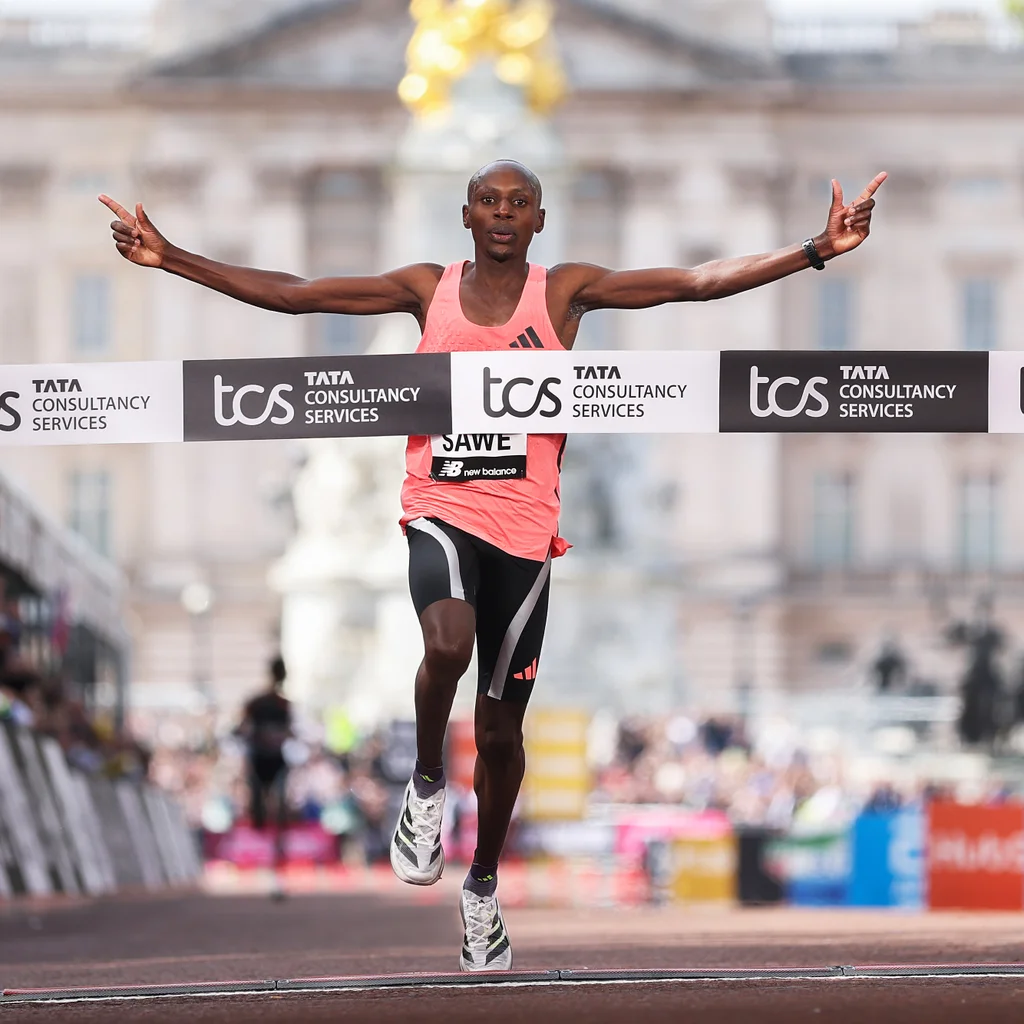
After dominating the running shoe market for decades, Nike was overtaken by Brooks in 2022. Today, it’s in third place, after Hoka also pulled ahead. Many other brands, from On to Asics to Adidas, have been stealing market share by dropping new running shoes at a steady clip. “Nike allowed brands that were doing fresher things to come in and take business from them,” says Matt Powell, an analyst at the retail consultancy Spurwink River.
These rivals benefited from Nike’s retreat from retail. But under Donahoe, Nike also pulled back on R&D. The former CEO made the controversial decision to reorganize product development around men, women, and kids, exploding the previous system of organizing innovation around sports like running, basketball, and soccer. One former employee characterized the move to Fast Company as “the biggest change in Nike’s history.”
While the new structure was more efficient, it made for less innovative products. In 2023 and 2024, Nike didn’t release any new performance sneakers; it just made tweaks to existing models, like the Pegasus and Invincible. It was an abrupt and notable downfall for a company that arguably invented the modern running shoe.
Nike is now trying to regain the ground it lost. Hill returned the company to its sports-focused organizational structure. “We’ve organized our teams cross-functionally around each sport, so we’re closer to the athletes, understand their needs and move faster to serve them,” Amy Montagne, president of the Nike brand, told investors this week.
So far, things are looking up. Nike has had nine quarters of growth in running. The company wants to reclaim the top spot in running shoes priced above $100, and foresees more than $1 billion in additional running revenue between fiscal 2028 and 2031. Much of that will come from everyday runners’ choosing shoes like the Vomero. The Tuned Air technology, set to debut in a running shoe by late 2027, could hasten this trend.
Analysts believes a comeback is possible. After all, brands like Asics and Brooks became major players in running after years of falling behind. But recovery takes time. “I do think we’re going to see better product and new ideas. Spring looks good and fall looks even better,” Powell says. “It takes years, in some cases, for a shoe to get to market. And, even then, one shoe is not going to change the fortunes of a brand of this size.”
Nike Lost Its Fashion Edge
If you walk down the street, you’ll see millennial moms in retro New Balance runners, and teenagers in low-profile Adidas Sambas. Nike, once a brand beloved by sneakerheads, is getting harder to spot. “It’s a one-two punch of not being in stores and not being on people’s feet,” says Jeff Staple, the streetwear designer whose 2005 collaboration with Nike sparked riots. “It’s the classic problem of out of sight, out of mind.”
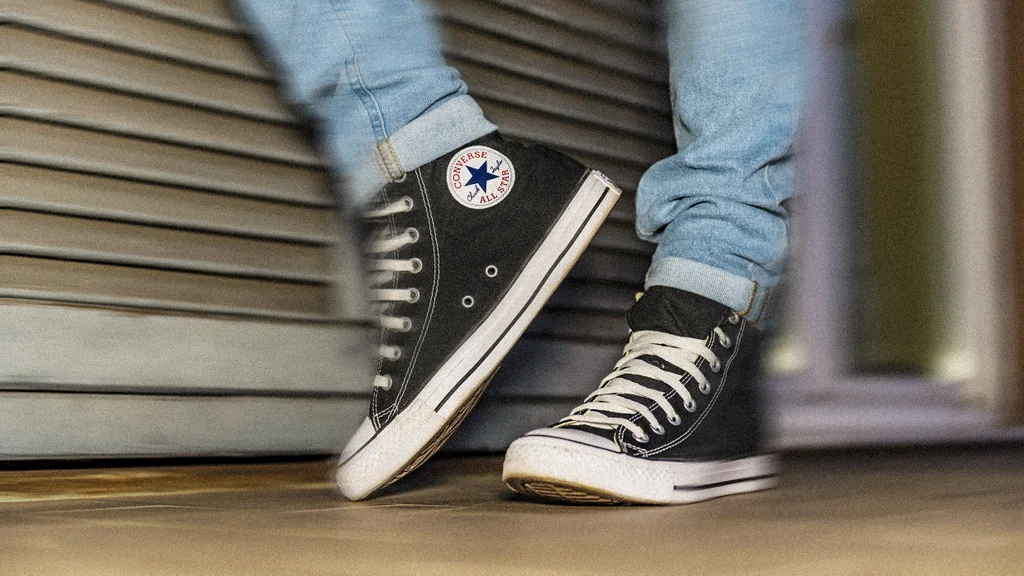
Vintage sneakers are popular right now, and Nike has many in its arsenal. The issue is that the company hasn’t been strategic about how it rolls out classics. Under Donahoe, Nike identified bestsellers and then pumped them out, turning the Air Force 1, Air Jordan 1, Dunk, and Converse’s Chuck Taylor into multibillion-dollar franchises. By 2024, these sneakers alone brought in $13 billion, but the market quickly became oversaturated with them.
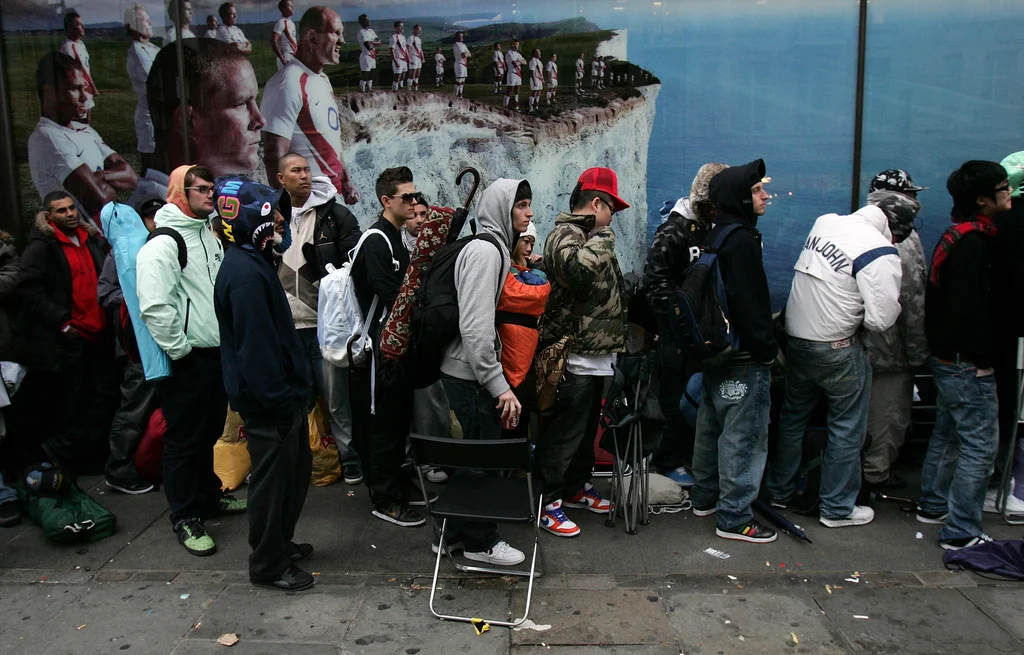
To clear the oversupply, Nike had to discount them, which is the kiss of death to a product’s popularity. In a 2024 profile in Fast Company, Donahoe stood by his decision to invest in these franchises. “We don’t apologize for exploiting the success of three of the largest franchises,” he said.
Donahoe didn’t seem to understand fashion, Staples argues, which relies on delicately balancing supply and demand. Instead, Nike treated sneakers like commodities. “It comes from a very CPG [consumer packaged goods] mentality,” he says. “He treated these as numbers on a spreadsheet, without attaching any cultural nuance.”
Emma Barratt, global executive creative director at the branding firm Wolff Olins, agrees with Staples: “The swoosh was everywhere, and it just lost its meaning.”
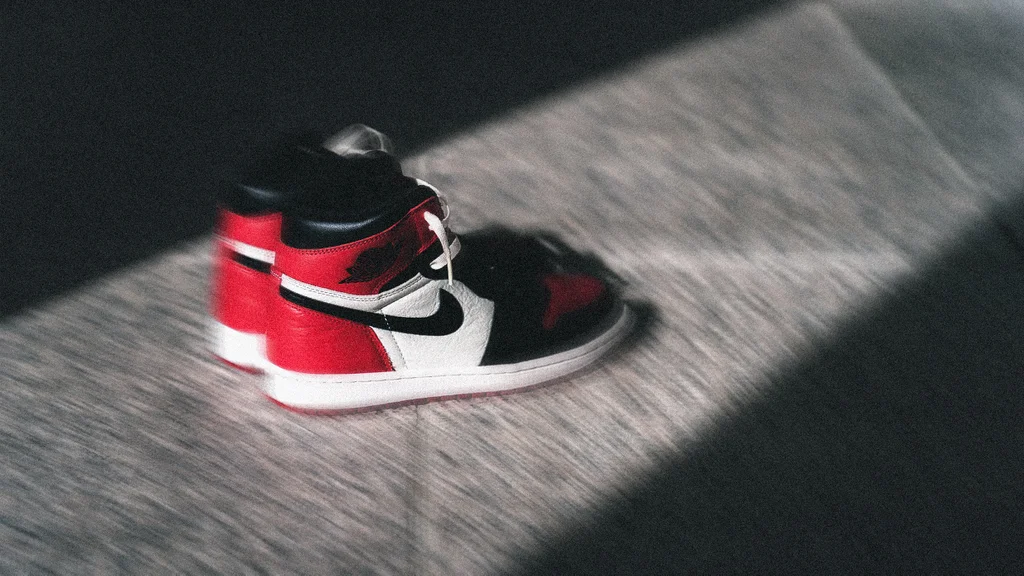
Meanwhile, competitors like Adidas were more strategic about the release of new products. In 2024, when Adidas was gearing up to relaunch its Superstar sneaker, it cleared the market of existing shoes, so that the style would feel fresh. When it saw that the Samba and Gazelle were selling explosively, it constrained the supply of these shoes and used pricey limited-edition collabs, like the $350 Gazelle with Yohji Yamamoto, to keep them relevant.
Nike’s leadership is now trying something similar. “We will continue to clear aged inventory out of the marketplace, recalibrate what we sell in, and be more disciplined in how we manage those franchises moving forward,” Hill told investors. These measures are necessary for “creating the foundation for profitable and sustainable growth,” he said.
Creating scarcity is important, Staple says, but it is ultimately a short-term fix. Nike also needs to come up with fresher designs, not just rely on past hits. For instance, some of Nike’s recent wins among sneakerheads have remixed several vintage styles in unique ways. The Soulgoods x Nike Homescape Woven, for example, pairs a Nike Footscape-inspired woven upper with soles borrowed from other Nike models.
“Nike needs to be more innovative, and not just in terms of making the fastest marathon shoes,” Staples says. “It also needs to make sneakers feel unfamiliar and fresh again.”
The China Threat
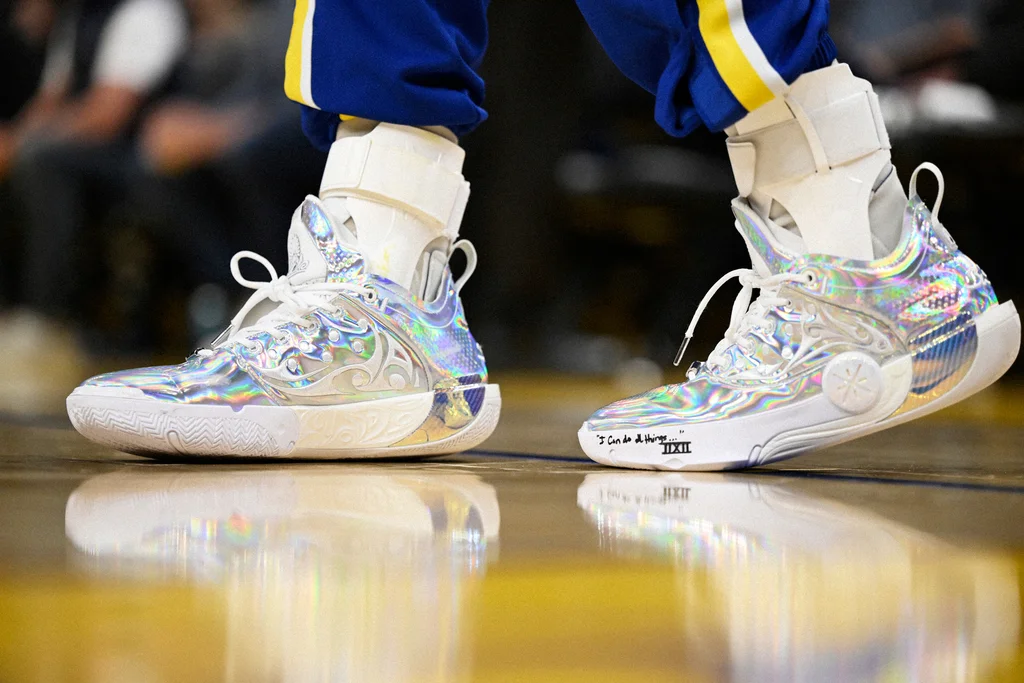
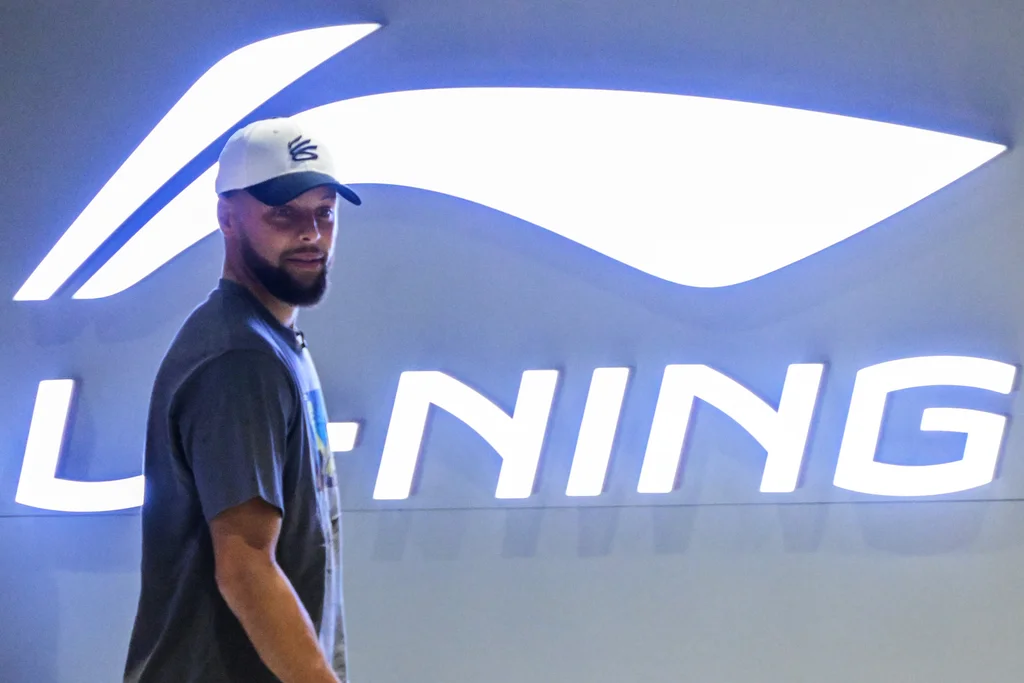
When Curry announced in June that he was signing with the Chinese sportswear company Li-Ning (an endorsement and equity partnership deal estimated at $400 million over 10 years), it was the second time Nike had missed out on the NBA superstar. Curry began his career as a Nike athlete, but in 2013 he left for Under Armour.
This year, Nike couldn’t—or wouldn’t—compete with Li-Ning. “Right now, China is probably Nike’s biggest problem,” says David Swartz, an analyst at Morningstar.
Li-Ning and Anta, both founded in the early 1990s, have grown into powerhouse performance sportswear companies at home, and are increasingly competing abroad. (Anta has Klay Thompson and Kyrie Irving on its roster of NBA athletes.) That’s a problem for Nike, which generates more than half its revenue outside the U.S., including about 13% from China.
“Local competitors are moving with speed and fluency,” Cathy Sparks, who took over Nike’s Greater China business in March, told investors this week. “Our marketplace and our model have not kept pace, and our results show it.” Nike’s revenue from the region—encompassing mainland China, Hong Kong, Macao, and Taiwan—fell 26% on a currency-neutral basis last quarter, and the company now expects sales there to stay roughly flat through fiscal 2031.
These Chinese brands are versed in Nike’s manufacturing playbook. Nike began partnering with factories in China in the ’90s, when the country was growing as a manufacturing hub. Nascent Chinese sneaker brands were able to tap into this shoemaking ecosystem to create products of similar style and quality.
Decades later, these Chinese brands have grown so large they are now giving Nike a run for its money. Anta generated $11.6 billion last year, while Li-Ning hit $4.1 billion. (In a twist, Nike is now leaning on the same Chinese manufacturing ecosystem that helped Li-Ning and Anta catch up; Sparks tells me that Nike is working with local factories to develop premium materials at competitive prices.)
To make incursions into the U.S. market, Li-Ning and Anta have taken another page from Nike by harnessing the star power of athletes. In 2012, Wade left the Jordan brand to sign with Li-Ning, eventually inking a lifetime deal with the brand in 2018 and creating his own line, Way of Wade. Thompson left Nike in 2014 to sign with Anta, which gave him a lifetime deal this year. In 2023, Anta brought on Irving to be its chief creative officer of basketball. That December, Nikola Jokić, the reigning NBA Finals MVP, left Nike for the Chinese brand 361°, which promised him his first signature shoe, something Nike had never given him. The Curry endorsement is the biggest signal yet of how far these brands have come.
Nike is also losing ground among Chinese consumers. Its China revenue peaked in 2021 at $8.29 billion; by 2025, it had dropped to $6.59 billion. Its China market share dropped from 25% to 20% in that same time. Some of Nike’s problems in China are beyond its control, including youth unemployment, which is driving down sneaker sales, and a backlash against American brands for speaking out against forced labor in Xinjiang.
But Nike also hasn’t done as much as its Chinese rivals to adapt to the nuances of the Chinese consumers, like creating styles tailored to their tastes. “Historically, Nike has exported American sports culture to the rest of the world,” says Morningstar’s Swartz. “In recent years, that model hasn’t worked as well in China, where Chinese consumers are more interested in buying uniquely Chinese products. Nike was slow to adapt to this.”
Sparks agrees. When she worked in China 20 years ago, she says, Nike’s American identity “was certainly what helped us grow. But today it doesn’t give us the competitive advantage that it once did.” What matters now, she says, “is that we are locally connected to these consumers.”
She has laid out a plan for Nike to start acting more like its Chinese rivals. The company is moving away from a model “centralized in Beaverton [Nike headquarters in Oregon] and executed through Shanghai,” and handing decisions to local teams in 20 Chinese cities, Sparks says. A new design team in Shanghai produced its first collection, 10 sportswear and Jordan styles, in under 120 days. Nike plans to double the team to more than 100 people by fiscal 2028, and eventually wants half the sportswear it sells in Greater China to be designed locally.
“When you’re operating at our scale—still the number one brand in China with the highest consumer advocacy—those changes can’t happen overnight,” Sparks says. “But we are moving with a speed and commitment that we have not had in the past.”
内容来自 Fast Company,版权归原作者所有。
阅读原文 ↗