
ICJ to rule if Myanmar's Rohingya crackdown was genocide
Updated / Thursday, 19 Nov 2026 05:38
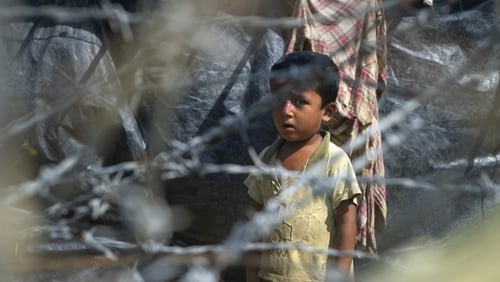
The top United Nations court will decide whether Myanmar committed genocide against the mostly Muslim Rohingya minority with its brutal 2017 crackdown that forced hundreds of thousands to flee the country.
For the more than one million Rohingya now living in the world's largest refugee camp over the border in Bangladesh, the landmark ruling by the International Court of Justice offers a glimmer of hope for accountability.
Survivors of the violence brought with them harrowing tales of gang rapes, mass executions, and barely believable cruelty towards families and children.
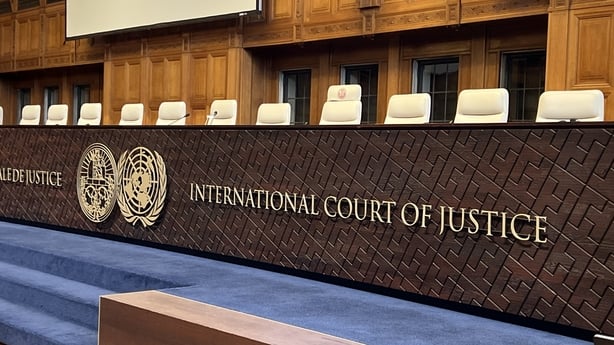
Far from the squalor of the refugee camps, in the gothic splendour of the Peace Palace in The Hague, a panel of 15 judges has been weighing for seven years whether Myanmar's actions constitute genocide.
The case has been brought by The Gambia under the 1948 UN Genocide Convention, which requires any state to bring a case against another it suspects of breaching the international agreement set up after World War II.
While the ICJ has no way of enforcing its decisions, a ruling that Myanmar committed genocide would heap more international pressure on its leader Min Aung Hlaing.

He commanded the military during the Rohingya crackdown before ousting the elected government of Aung San Suu Kyi in a 2021 coup.
This year he was installed as civilian president following deeply restricted elections and is waging a diplomatic campaign for legitimacy which may be complicated by the ruling.
Myanmar has always denied genocide, arguing that its actions targeted a military uprising from insurgents after a series of attacks left a dozen security personnel dead.
"Myanmar was not obliged to remain idle and allow terrorists to have free rein," its representative Ko Ko Hlaing told judges during hearings on the case in January.
'Targeted for destruction'
The Gambia's justice minister said the country filed the case "after reviewing credible reports of the most brutal and vicious violence imaginable inflicted upon a vulnerable group that had been dehumanised and persecuted for many years."
The Gambia has the "full backing and support" of the 57-member Organisation of Islamic Cooperation for its efforts at the ICJ, said the minister, Dawda Jallow.
"It is not about esoteric issues of international law, it is about real people, real stories and a real group of human beings," added Mr Jallow.
"The Rohingya of Myanmar. They have been targeted for destruction."
The ICJ has only once before found that a genocide has taken place, the 1995 Srebrenica massacre in Bosnia.
Genocide is notoriously difficult to prove in international law because the Convention requires proof of a specific "intent to destroy, in whole or in part, a national, ethnical, racial or religious group."
The Gambia argued during the hearings that genocidal intent was clear from the "organised nature and execution" of the crackdown, its "extreme brutality", the "pervasive sexual violence", and the targeting of children.
Legal experts are watching the case closely for clues as to how the ICJ will handle another seminal case before it - accusations by South Africa that Israel committed genocide against Palestinians in Gaza.
"How the court applies and interprets its current jurisprudence in Gambia's case against Myanmar will shape ongoing and future proceedings in relation to similar claims," said Human Rights Watch.
More stories on
内容来自 RTE,版权归原作者所有。
阅读原文 ↗