
Endangered Irish crayfish species to be bred in captivity
Updated / Tuesday, 17 Nov 2026 15:16
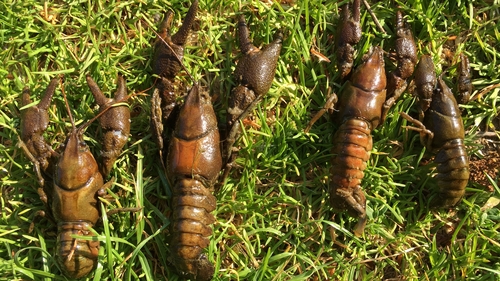
Pressures on a small crayfish, essential to the health of Ireland's rivers and lakes, have led Dublin Zoo and Fota Wildlife Park to start breeding them in captivity.
The white-clawed crayfish, which is a native species, has been described as a keystone species, which means it is essential for biodiversity, and as a bio indicator, which means how well it is doing reflects the health of water bodies where it lives.
The species is now described as endangered because of crayfish plague, other invasive crayfish species and pollution in Irish rivers and lakes.
Crayfish plague is a fungal infection which can kill all the white-clawed crayfish in a river or lake.

It can be spread by the invasive North American signal crayfish or through boats or other equipment.
The white-clawed crayfish is a lobster-like creature which can grow up to 12cm long.
It used to be found in rivers and lakes across Europe but populations in most countries have been destroyed by crayfish plague and competition from introduced signal crayfish.
It can live for up to 10 years and feeds on other invertebrates. It is mainly nocturnal but can be seen foraging in shallow water rocky lakeshores on warm summer evenings.
Minister of State for Nature, Heritage and Biodiversity Christopher O'Sullivan has announced funding of €480,000 for a four-year conservation project which will see Fota Wildlife Park and Dublin Zoo work with the National Parks and Wildlife Service (NPWS).
Speaking at Dublin Zoo, Mr O'Sullivan said: "The white-clawed crayfish is a unique part of Ireland's natural heritage, but it faces significant threats in the wild.
"Ireland is one of the species' remaining strongholds in Europe and we need to maintain this.
"This investment will help safeguard the species by establishing secure populations and supporting long-term recovery efforts."
The project will see the creation of bio-secure hatchery facilities to breed and rear the white-clawed crayfish.

This will facilitate the reintroduction of the species to areas where it has been wiped out.
Conservation and Science Manager at Dublin Zoo, Dr Andrew Mooney said: "Dublin Zoo, home to the IUCN Centre for Species Survival: Ireland, is bringing its expertise in population management, species husbandry and conservation breeding to support the recovery of a native Irish species, safeguarding white-clawed crayfish for the future while supporting long-term recovery efforts."
Director of Fota Wildlife Park Aileen Tennant said: "Fota Wildlife Park played a key role in rescuing the last known white-clawed crayfish in the River Blackwater catchment from the Awbeg River.
"Since then, our specialist aquarist team has achieved an important conservation achievement, successfully breeding this threatened native species in our purpose-built aquatic facility at Fota.
"This year alone we’ve reared more than 150 young crayfish. We are immensely proud to be the first conservation organisation in Ireland to successfully breed this native species.
"We hope these young crayfish will one day help establish new populations in rivers free from crayfish plague, helping to secure a future for this threatened native species."
NPWS Director of Nature Conservation Suzanne Nally said: "The white-clawed crayfish is one of Ireland's most threatened freshwater species.
"This project combines scientific expertise, practical conservation action and strong partnerships to address that challenge."
More stories on
内容来自 RTE,版权归原作者所有。
阅读原文 ↗