
No records for 802 deaths at Tuam mother and baby home
Updated / Tuesday, 17 Nov 2026 11:23

New research has identified an additional number of children, who died at the mother and baby home in Tuam in Co Galway, for whom there are no burial records.
Work carried out by the Office of the Director of Authorised Intervention in Tuam (ODAIT) found the names of six deceased people, which had not been listed before.
The discovery follows an analysis of records that the ODAIT has access to, some of which are "not in the public domain".
Local historian Catherine Corless previously found there were 796 deaths recorded at the home, between 1925 and 1961, for which there were no burial records.
The latest findings bring to 802 the total number of infants and children with no burial records.
This includes one death, previously identified as a possible adult, which has been confirmed as a child.
Details of the additional names were uncovered as part of ongoing work by the ODAIT, which is charged with overseeing all elements of the excavation and exhumation work at the site of the home, in the centre of the Dublin Road estate in Tuam.
All the names, along with their ages and date of deaths, have been listed on the website of the ODAIT.
The Bon Secours Sisters order ran the home in Tuam, on behalf of Galway County Council, for 36 years.
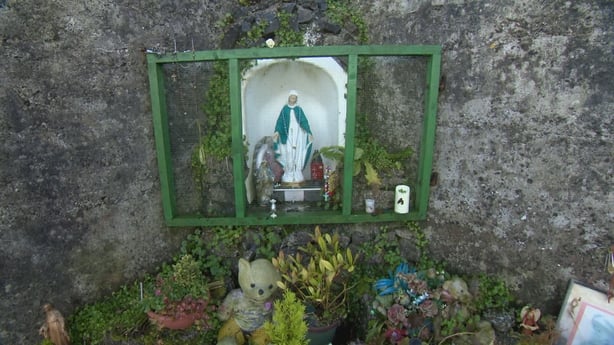
The Commission of Investigation into Mother and Baby Homes confirmed the presence of "significant quantities of human remains" in underground chambers at the site almost a decade ago.
Since exhumations began there in mid 2025, the remains of 109 infants have been recovered.
Excavation work around the location of the underground chambers has yet to begin.
The additional information has been released as a public information campaign is launched in relation to DNA testing, as part of the effort to link the remains found in Tuam with their descendants.
All will be subject to a detailed analysis at a purpose-built mortuary on the outskirts of Tuam.
In due course, DNA from the bones will be cross-referenced with samples gathered from relatives of those who died in the home.
In recent months, the Institutional Burials Act has been amended to allow for samples to be provided by first cousins, broadening the scope of the process.
Over 70 people have already provided DNA for analysis.
Samples can be provided until 24 September 2027, while those who may have objections to the participation of other family members in the identification programme can register their views until the end of next February.
More stories on

内容来自 RTE,版权归原作者所有。
阅读原文 ↗